

How to Lease a Car in Lisle, IL
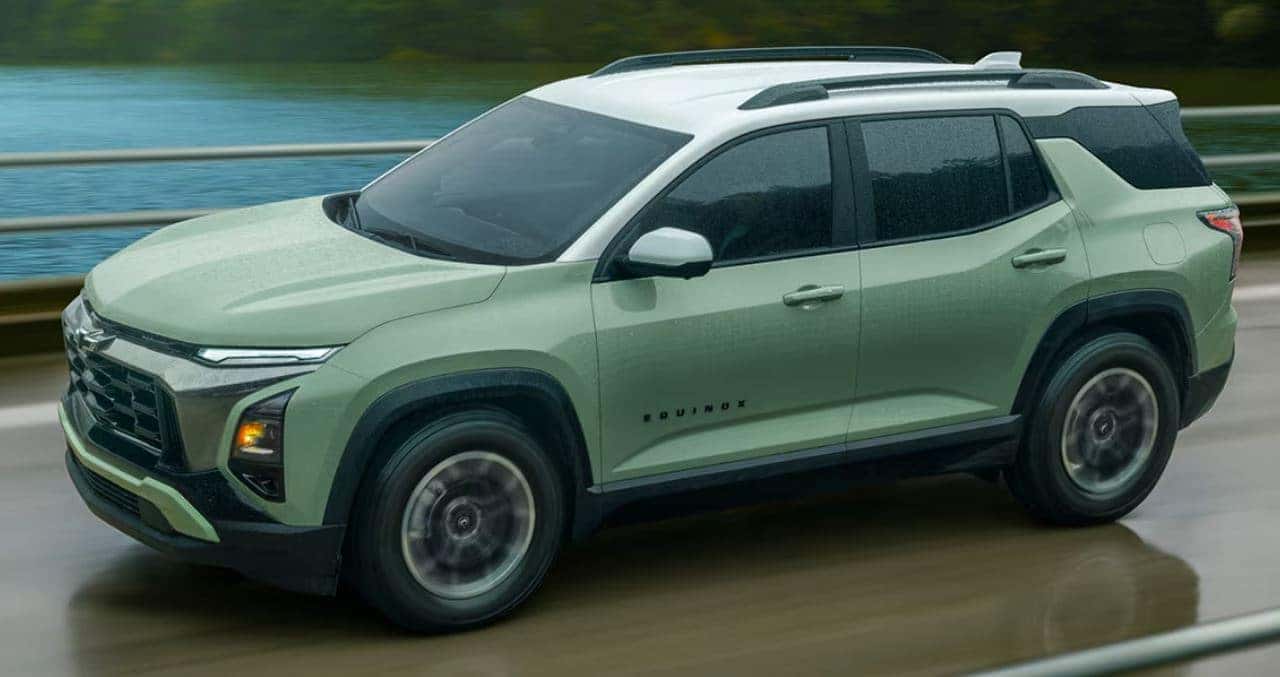
Leasing a vehicle is a financing arrangement that lets you drive a new car for a set period — typically two to four years — in exchange for monthly payments. At the end of the term, you return the vehicle, purchase it at a predetermined price, or lease a new one. For many drivers, leasing offers a structured way to get behind the wheel of a new Chevrolet without the long-term commitment of ownership. Learn more from this overview from Bill Kay Chevrolet in Lisle!
The Basics of a Lease Agreement
When you lease, you are essentially paying for the portion of the vehicle’s value you use during the lease term, rather than the full purchase price. Three figures drive your monthly payment: the capitalized cost (the agreed-upon price of the vehicle), the residual value (what the vehicle is projected to be worth at the end of the lease), and the money factor (the financing rate, similar to an interest rate on a loan).
The difference between the capitalized cost and the residual value represents the depreciation you are financing. A lower capitalized cost or a higher residual value — or both — will reduce your monthly payment. The money factor works much like APR on a traditional loan: a lower money factor means less in financing charges over the life of the lease.
What to Bring and Expect at the Dealership
The leasing process at a dealership mirrors the early steps of a purchase. You will need a valid driver’s license, proof of insurance, and proof of income or residence. Your credit score plays a meaningful role in what money factor you qualify for. Stronger credit typically results in a lower rate on a model from our Chevrolet inventory.
During the negotiation, you can discuss the capitalized cost just as you would a sale price. Many customers do not realize this figure is negotiable. You may also be asked about a down payment, known in leasing as a capitalized cost reduction. While putting money down lowers your monthly payment, it does not reduce the total amount you will pay over the term, and in the event the vehicle is totaled, you may not recover that upfront payment — something to consider carefully.
Mileage, Wear, and End-of-Lease Options
Every lease comes with an annual mileage allowance, commonly 10,000, 12,000, or 15,000 miles per year. Exceeding that limit on your Route 34 drives results in a per-mile fee, typically between 15 and 25 cents, assessed at lease-end. If you anticipate driving more than the standard allowance, negotiating for additional miles upfront is generally less expensive than paying overage charges later.
At the end of the term, you will return the vehicle to the dealership for a condition inspection. Normal wear is expected. Damage beyond that standard — significant dents, tire wear beyond acceptable limits, interior damage — may result in additional fees. Reviewing the manufacturer’s wear guidelines before lease-end gives you time to address anything that might otherwise result in a charge.
Your options at that point are straightforward: return the vehicle and walk away, lease or purchase a new vehicle, or exercise the purchase option at the residual value stated in your original contract.
Is Leasing Right for You?
Leasing tends to work well for drivers who prefer lower monthly payments, want a new vehicle every few years for their visits to The Morton Arboretum, and drive within a predictable mileage range. Those who put high miles on a vehicle annually, prefer building equity, or want freedom to modify their car may find purchasing a better fit. Our dealership team is available to walk through both options with any numbers specific to your situation.